


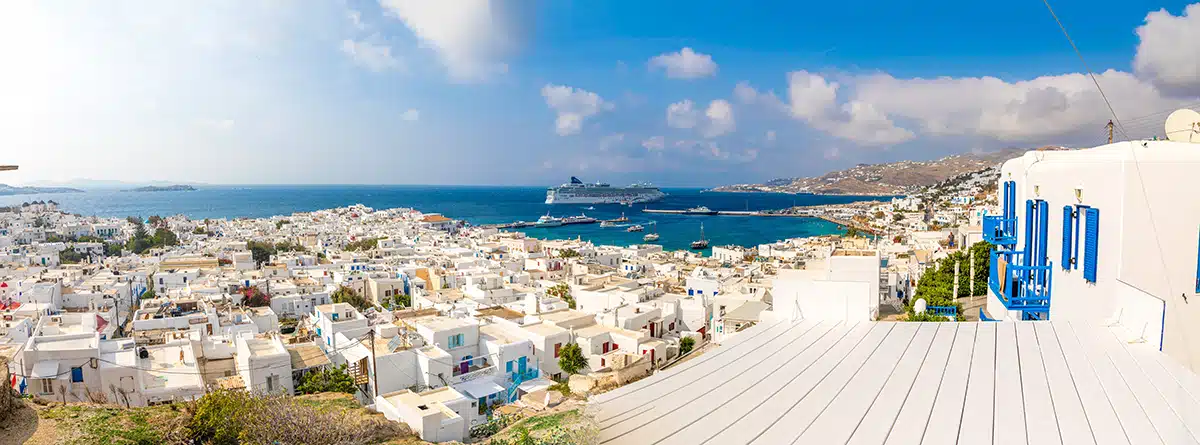
22 Dec Why the Best Trips Start Earlier Than You Think
The Case for Well-Planned Travel
Think of one of your most memorable travel experiences. The weather cooperated, the pacing felt right, and everything seemed to fall into place effortlessly. What’s often overlooked is that experiences like these rarely happen by chance. They’re the result of thoughtful planning, smart timing, and an understanding that when you travel is just as important as where you go.
If you plan on roaming well, timing isn’t a detail — it’s the foundation. And for many destinations, planning early is what separates a good trip from a truly fulfilling one.
Greece

Best Time to Travel
Late spring (May–June) or early fall (September).
Why This Timing Works
Greece is at its best when the sun is doing its job, but the crowds aren’t doing the most. Late spring and early fall offer warm beach days, comfortable sightseeing weather, and that golden Mediterranean glow without peak-summer intensity.
Ideal Planning Window
6–9 months out for the best mix of flight value + lodging options (especially islands).
9–12 months out if traveling in June, September, or if a specific island/stay is non-negotiable.
Who Should Go Where
Athens

For history lovers, food lovers, and travelers who want culture with a side of rooftop dining.
Crete

For “one trip, many vibes” travelers: beaches, mountain villages, hikes, and serious food culture.
Dodecanese Islands

For travelers who want sunshine + medieval charm + a little less “same-same” than the Cyclades.
Roam Beyond
Naxos
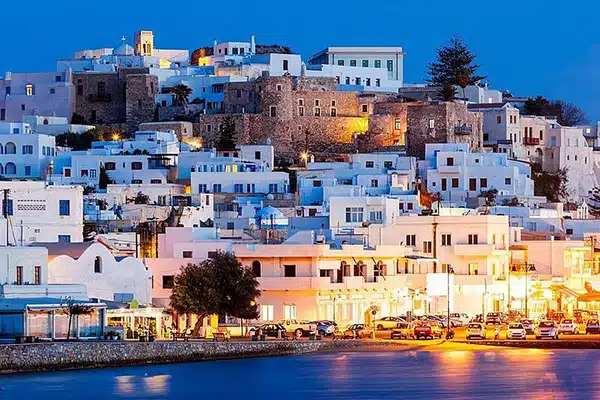
For beach lovers who want the Cyclades look and feel, but with more breathing room, more local texture, and fewer “I saw this exact corner on Instagram” moments.
When You Don’t Book Early
The best island properties get snapped up first — and the leftovers tend to be either overpriced or inconveniently located.
Island flight times can become awkward (or expensive), pushing you into longer travel days and less vacation.

Best Time to Travel
Dry season: May–September (with June–August as the busiest stretch).
Why This Timing Works
Peru’s landscape-heavy magic — the Andes, Sacred Valley, Machu Picchu-region adventures — plays better when conditions are drier. It’s also when the classic Peru circuit (Lima → Cusco/Sacred Valley → Machu Picchu) runs most smoothly.
Ideal Planning Window
6–10 months out for peak dry season, especially if Machu Picchu + train tickets + specific hotels are priorities.
Who Should Go Where
Lima
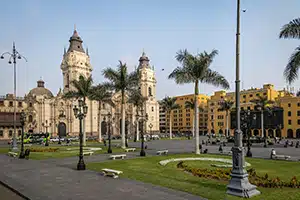
For food-forward travelers and art/culture lovers. Peru’s culinary scene is not hype; it’s a whole ecosystem.
Cusco + Sacred Valley
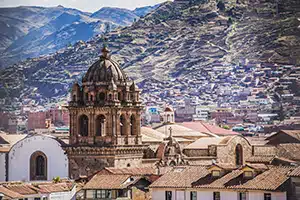
For history lovers, active travelers, and anyone doing Machu Picchu. Cusco remains one of Peru’s core tourism anchors.
Machu Picchu

For bucket-list travelers who want iconic landscapes and Incan history in one shot.
Roam Beyond
Arequipa + Colca Canyon
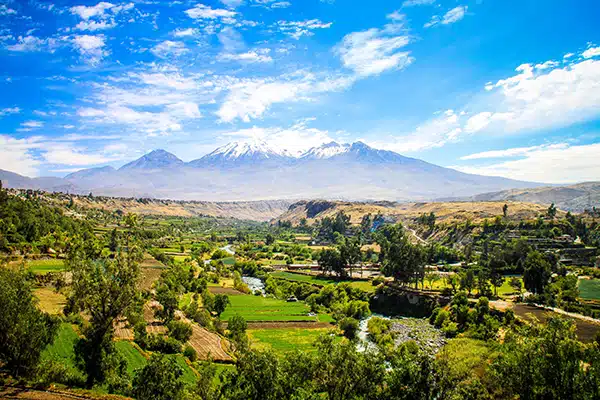
For travelers who want dramatic scenery and culture without the same crowd density as Cusco. Arequipa also gives you “city energy” with a distinctly different feel.
When You Don’t Book Early
Train routes, entry timing, and lodging near the action become harder to align cleanly.
Your itinerary starts to look like: “We’ll take what’s available” instead of “We’ll do what we actually want.”
Japan

Best Time to Travel
Spring (late March–April) for cherry blossoms or fall (October–November) for foliage season.
Why This Timing Works
Japan is stunning year-round, but spring and fall are the “sweet spot” seasons where weather, scenery, and cultural energy all show up at full volume. They’re also the seasons travelers tend to plan around most intensely, which means timing matters.
Ideal Planning Window
8–12 months out for spring/fall travel, especially if you want:
- Specific neighborhoods in Tokyo
- Iconic ryokans
- A smooth Tokyo–Kyoto–Osaka route with great hotel locations
Who Should Go Where
Tokyo

For city lovers, shoppers, food explorers, and travelers who like variety (neighborhood-by-neighborhood).
Kyoto
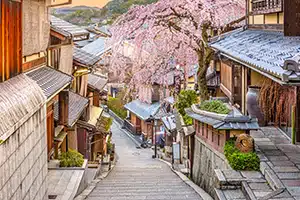
For culture, temples, gardens, and traditional Japan energy.
Osaka

For food lovers, nightlife, and travelers who want a slightly grittier, more playful city vibe.
Roam Beyond
Kanazawa
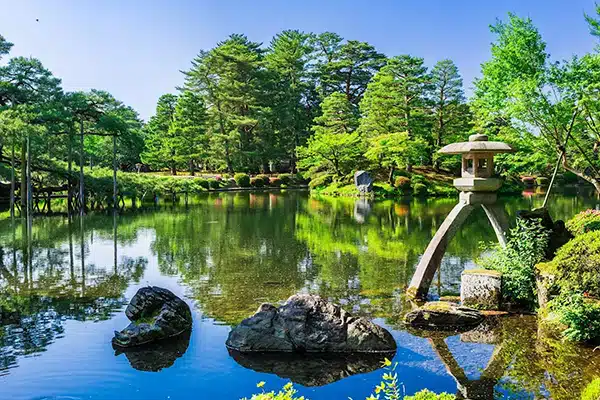
For travelers who want culture and beauty without the intensity of Kyoto crowds. It’s refined, historic, and quietly impressive — the kind of place seasoned travelers love recommending to other seasoned travelers.
When You Don’t Book Early
Hotel prices spike sharply in spring/fall, and availability collapses in the most desirable areas.
You end up commuting more (time tax) because the best-located stays are gone.
Italy
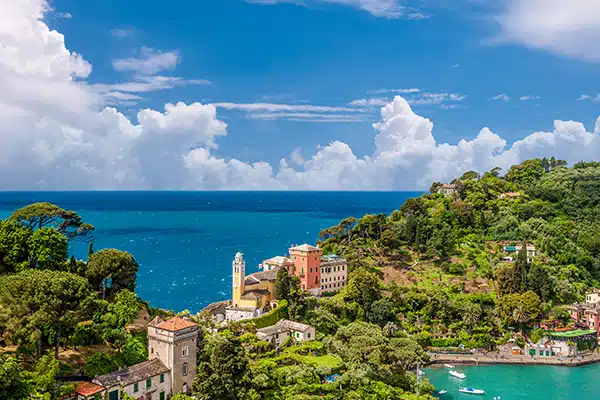
Best Time to Travel
Late spring (May–June) and early fall (September–October).
Why This Timing Works
Italy is a classic for a reason — but it’s also a destination where peak timing can make or break the experience. In shoulder seasons, the weather is kind, the pace is better, and the “Italy experience” feels less like a crowd simulation.
Ideal Planning Window
6–10 months out for shoulder season trips.
9–12 months if you want specific Amalfi/Tuscany properties or a high-demand route.
Rome
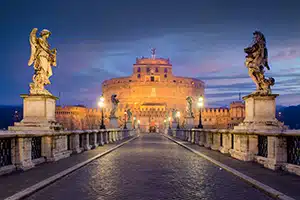
For first-timers, history lovers, and travelers who want iconic sights with strong dining options.
Venice
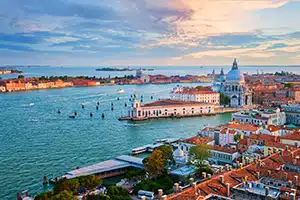
For romantics, art lovers, and travelers who appreciate atmosphere.
Florence
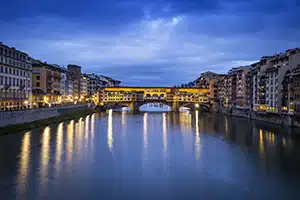
For culture + countryside balance: art by day, vineyards by afternoon.
Roam Beyond
Puglia
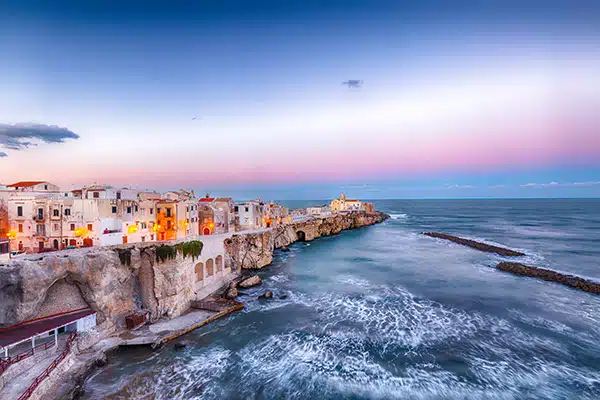
For travelers who want coastal beauty, food culture, and a more locally textured version of “la dolce vita.”
When You Don’t Book Early
The dream stays (the ones that make the trip feel premium) get booked early.
Train routing becomes less convenient if you’re piecing together a multi-city itinerary late.

Best Time to Travel
Dry season: December–April (with January–March as prime-time).
Green season: May–June can also be a strong play for value + lush landscapes.
Why This Timing Works
Dry season is when Costa Rica is easiest to enjoy at full range: beaches, rainforest hikes, wildlife excursions, and outdoor adventure without constant weather interruptions. Meanwhile, parts of green season offer lower crowds and a more vibrant landscape (plus better pricing).
Ideal Planning Window
6–9 months out for December–March travel.
4–6 months out for April–June travel, depending on lodging style and region.
Who Should Go Where
Arenal/La Fortuna

For adventure + volcano views + hot springs energy.
Manuel Antonio

For beach + wildlife in one easy-to-love package.
Guanacaste

For a beach-first trip with lots of resort options.
Roam Beyond
Osa Peninsula
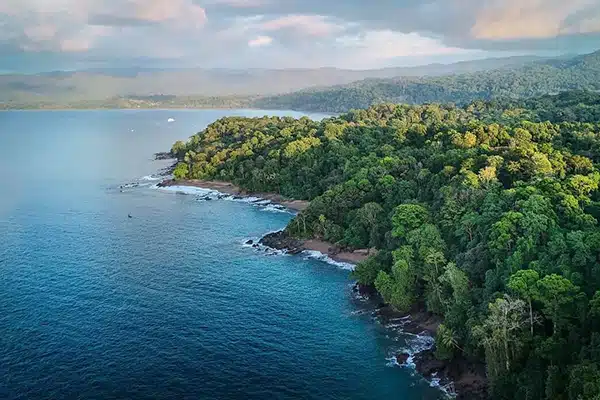
For nature lovers who want something wilder, richer, and far less “tour bus adjacent.” (This is for travelers who want bragging rights without trying.)
When You Don’t Book Early
Dry season beach inventory tightens quickly.
Rental cars and regional flights can become more limited, which affects everything from pacing to cost.
Why Timing is the Quiet Advantage in Travel Planning
Not every trip needs months of preparation. Last-minute escapes and spontaneous getaways absolutely have their place — and can be exactly what a moment calls for. But when it comes to meaningful, well-paced travel in high-demand destinations, timing is the quiet advantage that shapes the entire experience.
Planning early allows travelers to choose the season that best suits their interests, secure the experiences that matter most, and move through their trip with confidence rather than compromise. It’s the difference between building a journey around what’s available and designing one around how you want to feel while you’re there.
Travel is too much of an investment — of time, energy, and resources — to leave its most important decisions to chance or crowdsourced advice. When timing is intentional and planning is informed, the journey becomes more than a vacation. It becomes an experience that stays with you long after you return.
When you’re ready to roam with intention, Why Not Roam is here to help.
–
Subscribe to Roam & Revel for more travel insights and inspiration.
Join Midlife Travel Society on Facebook.

Sheree is the founder and Chief Roaming Strategist of Why Not Roam. With decades of global business, people leadership, and travel experience, she designs journeys rooted in culture, community, and connection—guided by a deep understanding of what motivates people and how meaningful experiences are created.