



03 Aug Boutique Hotel vs. Resort: Which Stay Is Right for You?
When it comes to accommodations, every trip has different needs. Sometimes you want a beautiful resort where the pool is steps away, the restaurants are on property, and the hardest decision of the day is whether to order another drink or head back to the room for a nap. Other times, you want a stay that places you closer to the city and its food, culture, and people.
Both are valid. But they’re certainly not the same experience. The difference between a boutique hotel and a resort isn’t just the size, price, or how many restaurants are on property. It’s about the kind of traveler you are, the kind of trip you want, and how central you want the destination to be.
At Why Not Roam, we often say there is a difference between vacationers and travelers. Vacationers usually want rest, convenience, and a break from decision-making. Travelers want those things too, but they also want context, character, and discovery. That distinction makes all the difference in choosing where to stay.
About Boutique Hotels
A boutique hotel is typically smaller, more design-forward, and more connected to its location than a traditional resort or large hotel. It usually has fewer rooms, a more intimate atmosphere, and design choices that reflect the destination. The appeal of a boutique hotel isn’t endless amenities. It’s personality.
A great boutique hotel might place you in a historic neighborhood, a walkable city center, or a coastal village where restaurants, galleries, music, shops, and cultural sites are close by. For travelers who like to explore, a boutique hotel can be a wonderful choice because it keeps the destination in the foreground.
Where Boutique Hotels Shine

Boutique hotels can feel more connected to the destination
One of the strongest reasons to choose a boutique hotel is location. Many are intentionally placed in areas where travelers can engage more directly with the destination, whether that means walking to dinner, stepping into a local café, exploring a historic district, or being close to cultural attractions. Instead of creating a world apart from the destination, a good boutique hotel can help you move through it more intentionally. Some are also located in quieter, less developed areas, giving travelers access to a side of the destination they may not experience from a larger resort.
They have more character
Boutique hotels tend to have a stronger design point of view than larger properties. The architecture, interiors, artwork, food, and service style often reflect the destination more clearly. That doesn’t automatically make a boutique hotel better, but it can make the stay more memorable.
The experience feels more personal
Because boutique hotels are usually smaller, the atmosphere often feels more personal. Staff may remember your preferences. Public spaces are less crowded. The property feels more tailored. This can be especially appealing for couples, solo travelers, and small groups who want a more customized experience.
They encourage exploration
Unlike a resort, a boutique hotel is not designed to keep the entire trip contained on property. You can enjoy its charm, design, and more personalized attention, then venture out for restaurants, guided tours, neighborhood walks, museums, cooking classes, nightlife, and cultural experiences.
Things to Consider
Amenities may be limited
Boutique hotels aren’t designed to compete with large resorts on amenities. Some may have a small pool, a single restaurant, limited spa services, or no beach access at all. That’s not a flaw if the property matches the trip, but it could be disappointing if a traveler expects resort-level facilities from a smaller hotel.
Service can vary more widely
Some boutique hotels offer exceptional, highly personalized service. Others are charming but less polished. Because boutique properties can be independently owned or smaller in scale, quality can vary from one property to another. This is where expert guidance matters. A beautiful website won’t always tell you how well the property functions.
They may not be ideal for every group
For larger groups, travelers with very different preferences, or guests who want everything contained in one place, a boutique hotel might require more planning. Dining, transfers, and activities will need to be coordinated more intentionally. That doesn’t mean boutique hotels can’t work for groups; the logistics just need to be designed with more care.
About Resorts
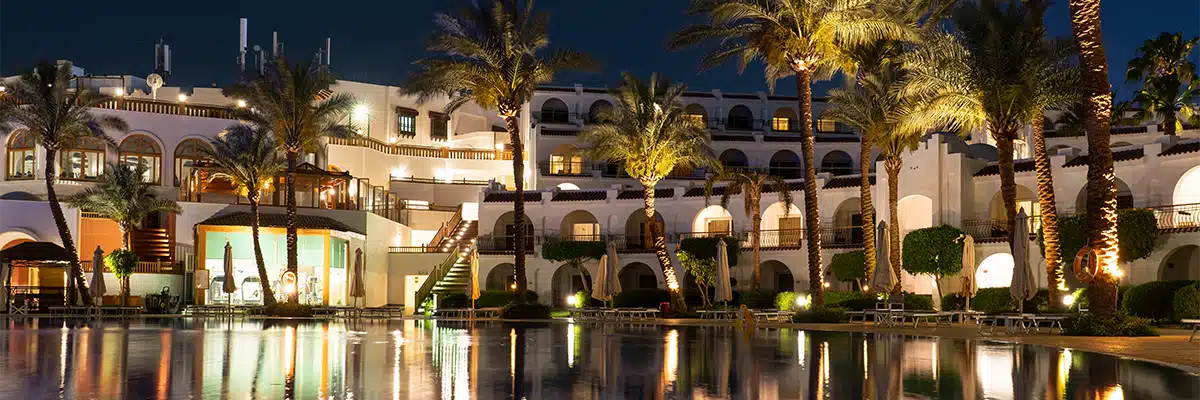
A resort is a larger property designed to provide a more self-contained vacation experience. Resorts usually include multiple restaurants, pools, bars, activities, spa services, entertainment, beach access, concierge support, and other amenities depending on the property and destination. A resort is built to make the stay convenient. For some trips, that’s exactly the point. If the goal is to rest, celebrate, enjoy the beach, spend time with a group, or reduce the number of daily decisions, a resort can make a lot of sense. The key is choosing the right resort for the right reason.
Where Resorts Shine
They’re convenient
Resorts are a strong option when the trip calls for simplicity. Having restaurants, activities, pool areas, beach access, and services in one place makes it easier for travelers who want the trip to feel relaxed, contained, and simple to navigate. This can be especially attractive for couples retreats, destination weddings, family trips, milestone celebrations, and travelers who don’t want every meal or activity to require advance planning.
They have built-in infrastructure
Large resorts often have more operational support than boutique hotels. That might include multiple dining venues, enhanced room service, spa services, organized activities, event spaces, and on-site staff dedicated to groups and celebrations. For certain travelers, that infrastructure is highly desirable.
They work well when they’re the centerpiece of the trip
If the point of the trip is mainly to enjoy the property itself, a resort can be the right choice. A beautiful beachfront resort, wellness resort, safari lodge, vineyard resort, or luxury island property can carry much of the experience. In those cases, the resort is not just where you sleep. It’s the main reason you go.
They can work for mixed-preference groups
Preferences vary when traveling with a group. Some people want activities. Others want the pool. Some want spa time. Others want nightlife or beach time. A well-chosen resort can give different travelers different ways to enjoy the same trip.
Things to Consider
They can separate you from the destination
This is the biggest tradeoff. Many resorts are designed to keep travelers on the property. That can be wonderful for rest, but it can also mean the destination becomes background scenery instead of the center of the experience. If you travel all the way to a country and barely leave the resort, you may have had a lovely vacation, but you haven’t necessarily experienced much of the destination.
Bigger does not always mean better
More restaurants, more pools, and more room categories don’t automatically create a better trip. Large resorts can feel crowded, impersonal, and difficult to navigate. Service can be inconsistent. Dining can vary widely. The beach may not match the photos. The “luxury” label may not mean what travelers think it means. A resort can be beautiful and still not be the right fit.
The experience can feel generic
Some resorts are designed so thoroughly around the guest experience that the destination becomes secondary. You could be in Mexico, the Caribbean, or somewhere else entirely and still feel like you are inside the same version of polished vacation comfort. And sometimes travelers want exactly that. But for travelers seeking culture, character, and a stronger connection to the destination, a generic resort experience can fall short.
Boutique Hotel vs. Resort: Which One Should You Choose?

The choice ultimately depends on the experience you want. Choose a boutique hotel when you want the destination to be a big part of your experience. Choose a resort when you want built-in amenities, a more contained experience, and fewer decisions once you arrive. Boutique hotels are not automatically more authentic, and resorts are not automatically less meaningful. The difference is fit. That’s where expert travel design makes a difference.
Travel is too expensive to leave to chance, a TikTok review, or a few pretty photos. The property you choose affects how much planning you need to manage, how you move through the destination, and how much of it you experience. Better trips start with better questions. At Why Not Roam, we help travelers move beyond surface-level booking decisions and design experiences around purpose, pace, and personal travel style. Whether your next escape calls for a boutique hotel, a resort, or a smart combination of both, we can help you choose with confidence.
Schedule a complimentary discovery call to explore the possibilities.

Sheree is the founder and Chief Roaming Strategist of Why Not Roam. With decades of global business, people leadership, and travel experience, she designs journeys rooted in culture, community, and connection—guided by a deep understanding of what motivates people and how meaningful experiences are created.